Topic, Important Evidence, Detailed Explanation, Ending (TIDE) Strategy
Strategy Parameters
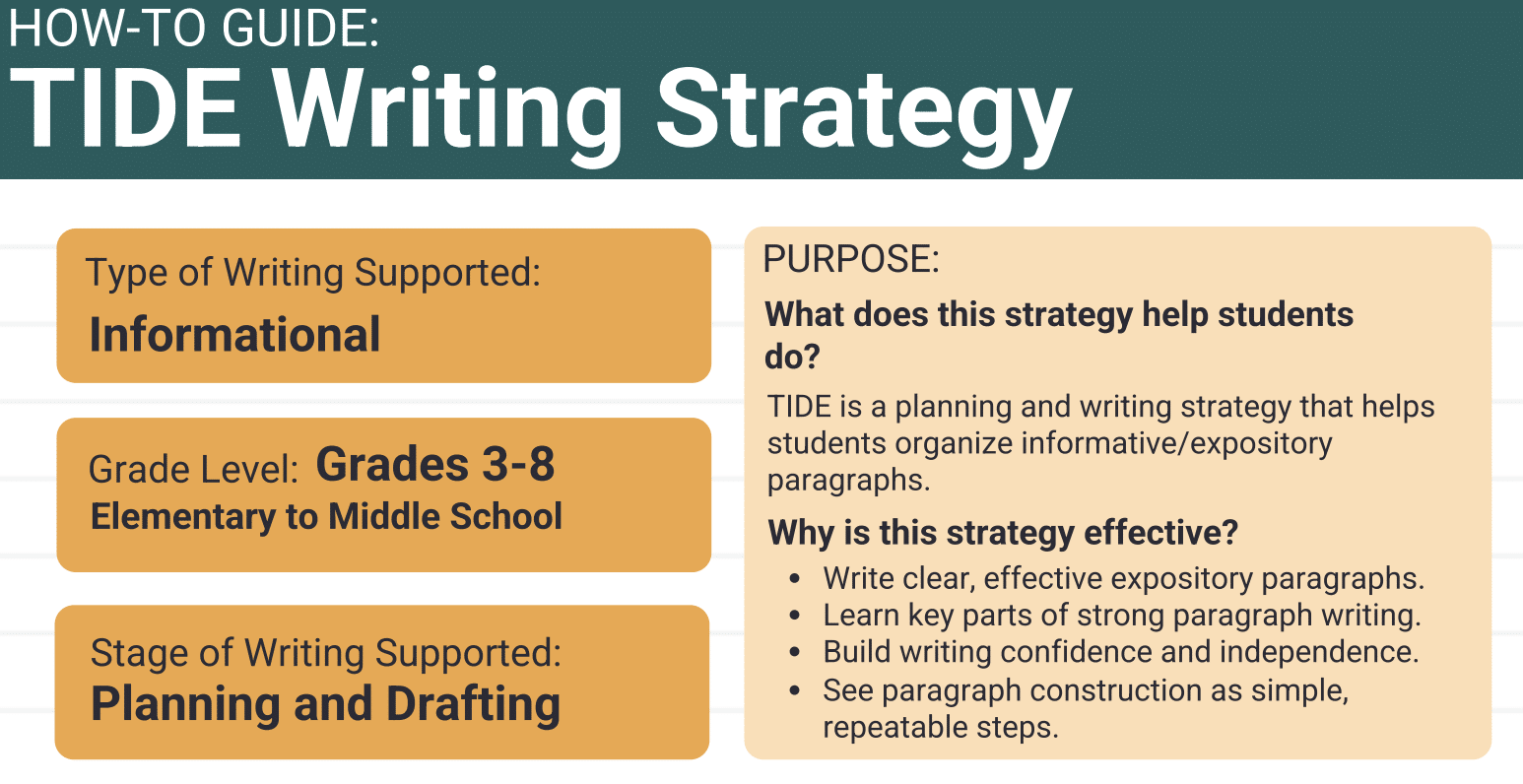
- Genre: All.
- Grade Level: Grades 3-8
- Writing Process: Planning and drafting.
At-A-Glance
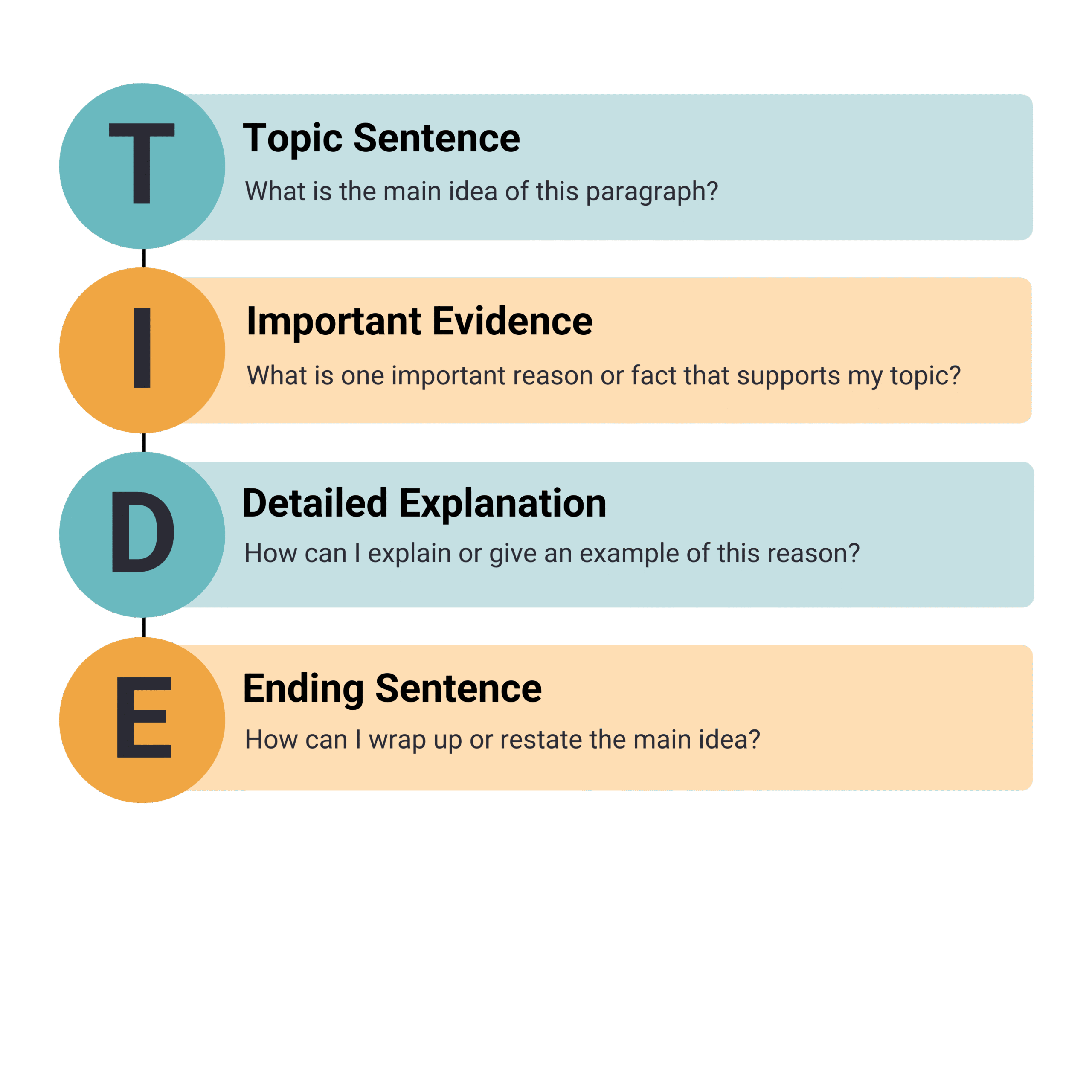
The TIDE strategy provides a structured, scaffolded approach (Topic, Important Evidence, Detailed Explanation, Ending) for students, particularly struggling or beginning writers, to compose clear informational paragraphs. Its utility extends beyond English language arts into other subject areas like science and social studies, offering a reliable organizational framework. Successful integration requires explicit teacher modeling, the use of visual aids, and systematic practice to ensure students understand the purpose behind each structural component.
Learn More
Best Practices
-
Model each step of the strategy using a think-aloud approach so students can hear the decision-making process.
-
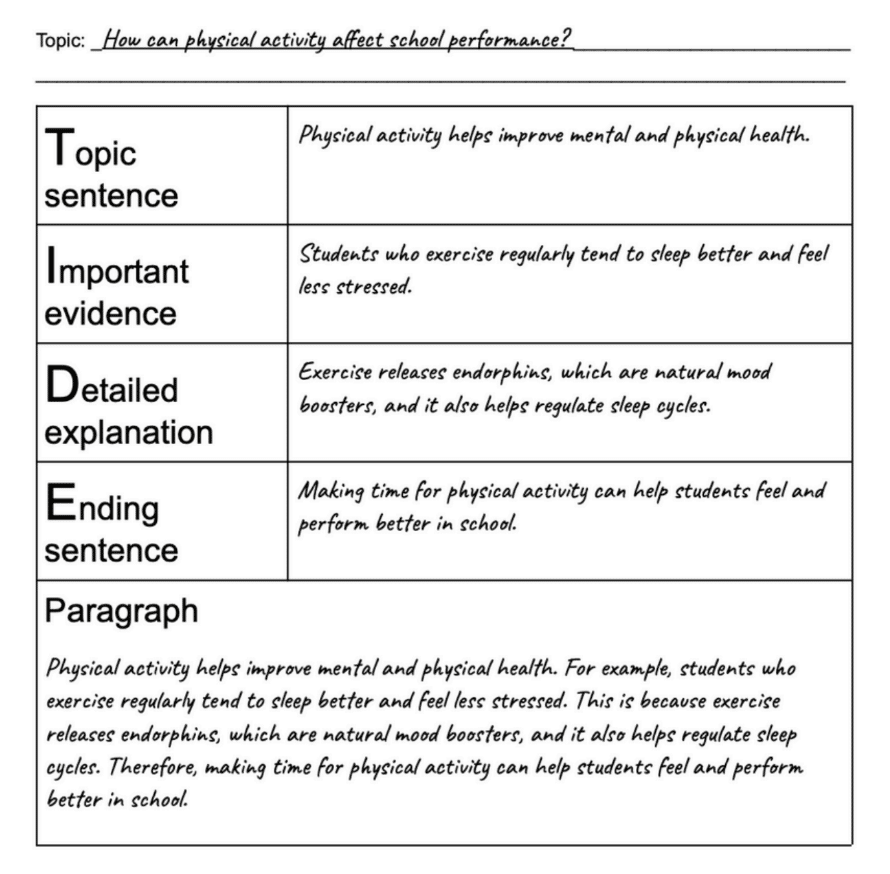
Display the TIDE graphic organizer prominently as a visual aid and a continuous reference point.
-
Teach the purpose of each sentence type (Topic, Evidence, Explanation, Ending), not just the required order.
-
Encourage students to phrase the Detailed Explanation (“D” step) in their own, original words.
-
Circulate and check for understanding after each section during early practice to correct flawed structures immediately.
Common Pitfalls
-
Assuming students understand what “evidence” means; teachers must explicitly define and teach it.
-
Skipping the modeling of the Detailed Explanation (“D” step), as it is the most complex and frequently missing element.
-
Treating the TIDE strategy like a rigid, fill-in-the-blank formula instead of a flexible, purposeful structure.
-
Grading first attempts too harshly; the focus should initially be on growth and mastering the process.
-
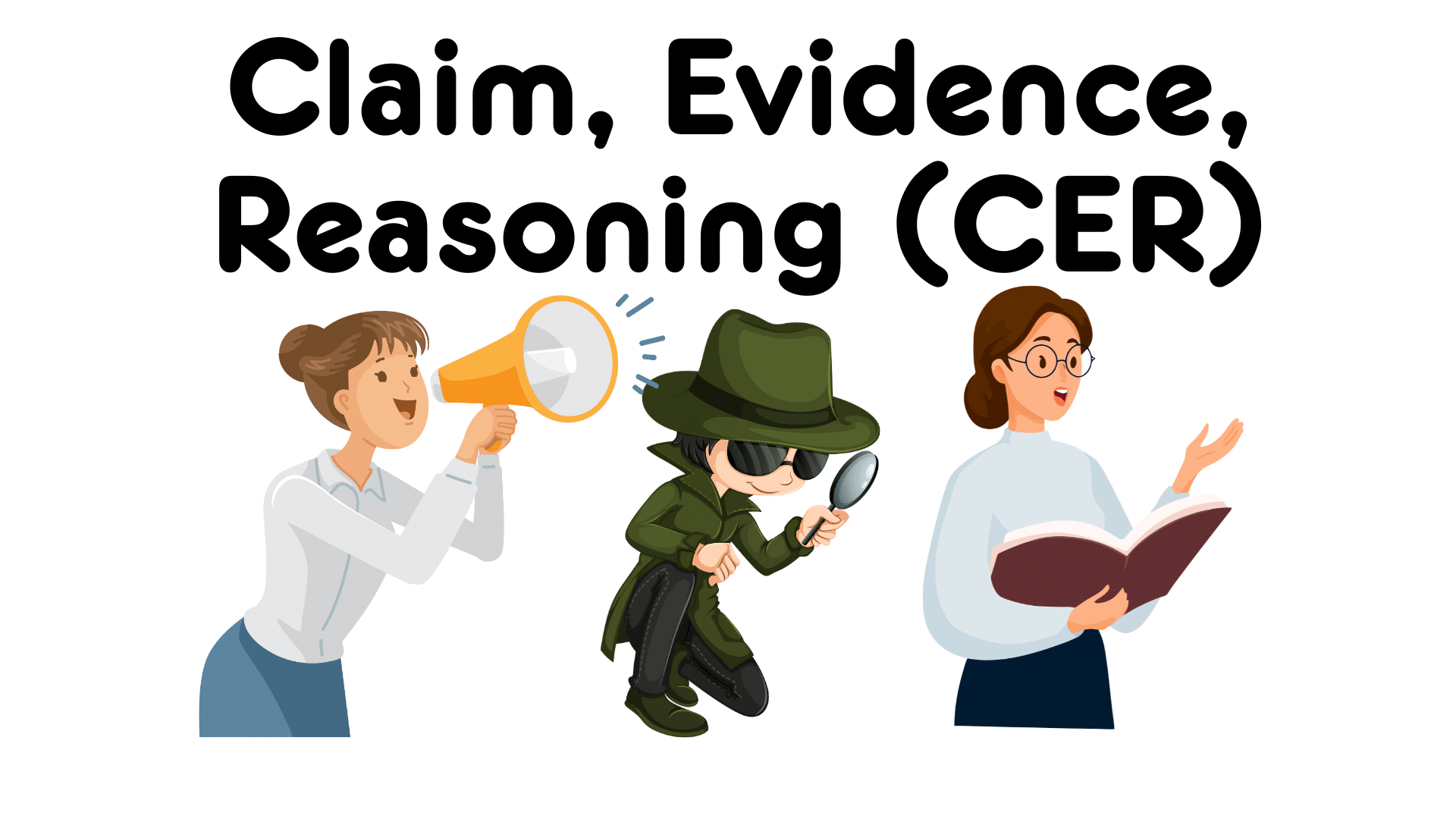
Failing to make explicit connections between TIDE and other writing types, like argument writing or science explanations.
Implementation Tips
- Preparation and Introduction (Day 1): The teacher must first practice the strategy to create content-relevant sample paragraphs and prepare all materials, including anchor charts and organizers. Introduce the TIDE acronym (Topic, Important Evidence, Detailed Explanation, Ending) and use exemplar paragraphs to visually demonstrate the structured format.
- Explicit Modeling (Day 2): Dedicate time to crucial think-aloud modeling, where the teacher demonstrates the entire writing process step-by-step. Special emphasis must be placed on verbalizing the thought process for the Detailed Explanation (“D”) step, as it is key to the strategy.
- Scaffolded Practice (Days 3-5): Implement a gradual release of responsibility: Day 3 focuses on Guided Practice where the class collaboratively plans and drafts a paragraph; Day 4 moves to Partner Practice with support and targeted feedback; and Day 5 culminates in Independent Practice, allowing students to complete an organizer and write a paragraph on their own. Teachers should provide scaffolds like color-coding and sentence starters throughout this phase.
Downloads