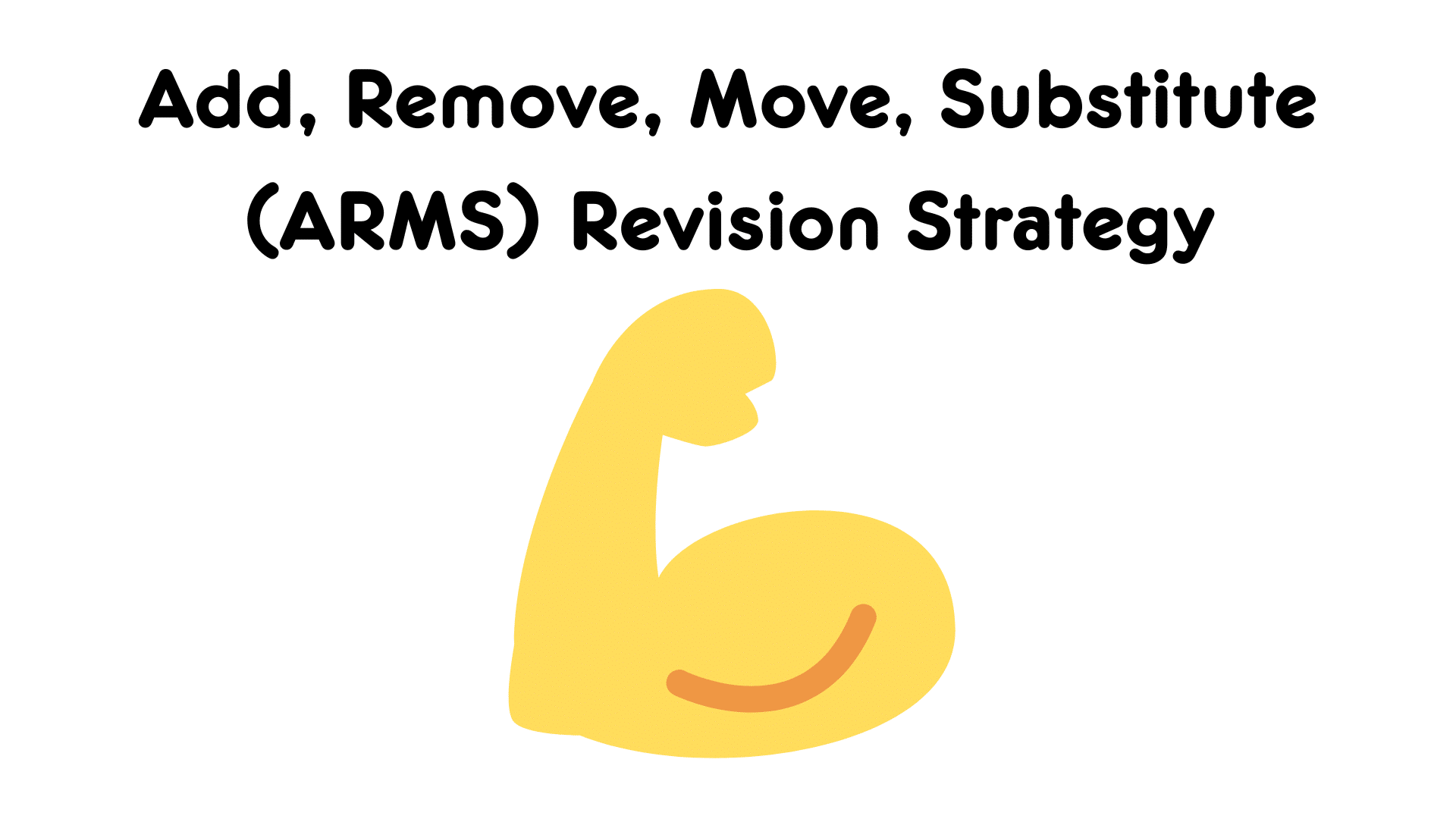
Compare, Diagnose, Operate (CDO) Strategy
Strategy Parameters
-
Genre: Persuasive, narrative, informational.
-
Grade Level: Grades 2–12 (most common in 4th–8th grade studies).
-
Writing Process: Revising and editing.
At-A-Glance
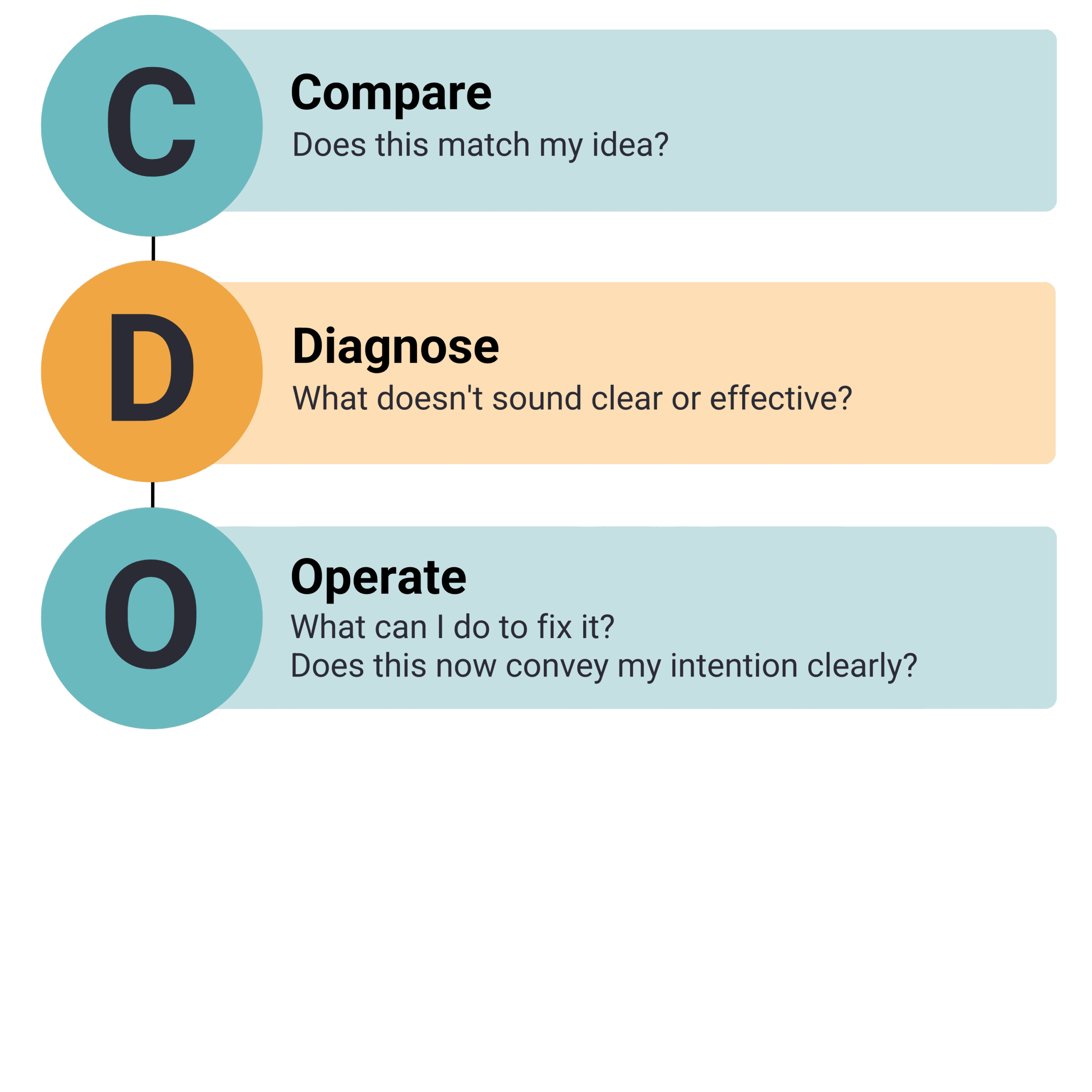
CDO (Compare, Diagnose, Operate) is a self-regulation strategy that guides students to actively revise their writing by evaluating it against their original intent and audience. The process encourages metacognitive awareness, helping students identify the gap between what they meant to say and what is on the page. It breaks revision into concrete, repeatable steps, which is especially effective for building internal editing habits and supporting learners with learning differences.
Learn More
Troubleshooting
Students make surface-level revisions
- What to do: Model deeper revision through think-alouds
- Prompt: “Why did I make this change? What does it improve?”
Students experience writing fatigue
- What to do: Break revision into small chunks (1–2 sentences at a time)
- Prompt: “Let’s just focus on this one sentence—what do you want it to say?”
Students resist revising
- What to do: Use peer models and anchor charts to show examples
- Prompt: “How could we make this clearer for a reader?”
Students struggle to revise independently
- What to do: Provide guided questions and structured support
- Prompt: “What part is unclear or could use more detail?”
Adaptations
- Use guided revision mats or checklists with clear prompts for each step.
- Provide modeled examples with blanks to help students practice improving sentences.
- Reduce cognitive load by focusing on one sentence at a time instead of full paragraphs.
- Use extra modeling and think-alouds to demonstrate decision-making during revision.
- Incorporate technology tools like speech-to-text or text-to-speech for support.
- Offer sentence starters for oral rehearsal (e.g., “I was trying to say…”).
- Allow extended time and flexible pacing for students who need it.
Key Takeaways
- Break revision into manageable steps to reduce overwhelm.
- Model thinking clearly so students understand why changes improve writing.
- Use visuals, sentence stems, and peer support to guide struggling writers.
- Focus on meaning and clarity, not just surface-level corrections.
Case Study Example
Mr. Marcus teaches a diverse group of 7th-grade students, including learners with IEPs, multilingual students, and varying writing abilities. His class is working on an informative writing unit about ecosystems, where students are explaining how energy moves through a food web. He notices that many students struggle with revising for clarity and tend to write vague or overly general sentences, especially when explaining scientific concepts.
Mr. Marcus introduces the CDO (Compare, Diagnose, Operate) strategy by emphasizing that revision is about improving meaning, not just fixing errors. He models the process using a sample sentence and walks students through each step, thinking aloud as he identifies unclear language and adds detail. Students then use evaluation cards, checklists, and graphic organizers to revise two sentences from their own drafts. Throughout the lesson, he prompts students to say their ideas aloud and compare them to what they have written to improve clarity and precision.
One student initially writes a vague sentence such as, “Consumers eat food from the ecosystem.” Using the CDO strategy, the student identifies that the sentence lacks detail and clarity. With guidance, the student revises it to:
“Primary consumers, such as rabbits and insects, eat producers like grass and plants to gain energy.”
Another student recognizes that a sentence is “not useful to the paper” and replaces it with a more focused explanation, showing a deeper understanding of both the content and revision process.
Students become more engaged in revision by focusing on one sentence at a time and using structured supports like evaluation cards. Many demonstrate improved clarity, detail, and precision in their writing. Students also show increased confidence, with one noting that the strategy helped them identify what was wrong before fixing it. Mr. Marcus observes stronger explanations, better sentence variety, and overall improvement in students’ ability to communicate complex ideas clearly.
Downloads