
Spark
When you have 5 minutes to learn a new writing strategy.
Browse by Writing Challenge
- Developing Ideas and Support
- Improving Evidence and Analysis
- Strengthening Structure and Flow
- Refining Sentence Fluency and Word Choice
- Building Foundational Skills
Browse by Writing Process
Browse by Rubric Area
Add, Remove, Move, Substitute (ARMS) Revision Strategy
This is a revision strategy that breaks the process into four concrete actions: Add, Remove, Move, and Substitute. It helps students purposefully improve organization, clarity, and precision in all genres of writing.
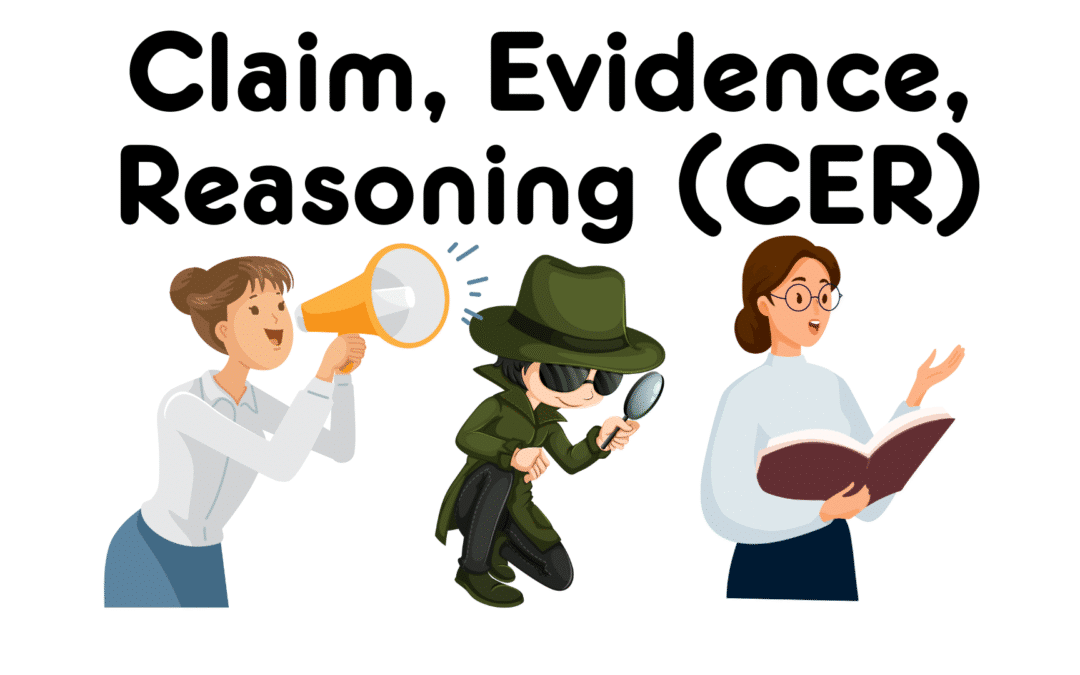
Claim, Evidence, Reasoning (CER) Strategy
CER gives students a clear structure for writing persuasive or argumentative explanations by guiding them to make a claim, back it up with evidence, and explain the reasoning that connects the two.

Compare, Diagnose, Operate (CDO) Strategy
CDO is a structured, sentence-level revision and editing strategy that guides students to evaluate their writing for clarity and coherence by prompting them to compare what they meant to say with what they actually wrote.

Fact, Understanding, Evidence, Link (FUEL) Strategy
FUEL is a writing strategy that supports informational and argumentative writing by guiding students through four components to build clear, organized paragraphs, which include writing a topic sentence, explaining their thinking, supporting with evidence, and creating a logical conclusion.

Hamburger Strategy
The Hamburger Paragraph strategy uses a familiar visual metaphor to help students in grades 2–6 plan and draft writing across genres. By organizing topic sentences, supporting details, and conclusions like layers of a hamburger, it simplifies paragraph structure and encourages deeper content development.
Pick Ideas, Organize, Write and Say More (POW) Strategy
POW is a foundational SRSD planning strategy that helps students brainstorm and organize their ideas before drafting and serves as a simple, versatile starting point for more complex strategies.
Pick, List, Evaluate, Activate, Supply, End (PLEASE) Strategy
PLEASE is a planning and drafting strategy designed for informative and expository writing to help students effectively plan and organize a paragraph through clear, step-by-step tasks, including incorporating self-regulation techniques like goal setting.
Plan, Organize, Write, Edit, Revise (POWER) Strategy
POWER is a structured strategy that helps students in Grades 6-12 approach the writing process in a manageable way by breaking it into five steps that reinforce planning, organization, drafting, editing, and revising.

Preview, List, Assign numbers, Note, Search (PLANS) Strategy
PLANS is a step-by-step strategy for informational and expository writing that helps students organize their thinking before drafting by previewing goals, listing main ideas with the FRAME organizer, assigning an order, noting ideas in full sentences, and searching for errors.
Set up, Text Evidence, Analyze, Restate (STAR) Strategy
This strategy helps students in upper elementary and middle school craft focused, evidence-based responses by providing a clear structure to organize their thinking, incorporate relevant text evidence, and analyze how that evidence supports their answer.