
Drafting
Browse by Writing Challenge
- Developing Ideas and Support
- Improving Evidence and Analysis
- Strengthening Structure and Flow
- Refining Sentence Fluency and Word Choice
- Building Foundational Skills
Browse by Writing Process
Browse by Rubric Area
Spark


Fact, Understanding, Evidence, Link (FUEL) Strategy
FUEL is a writing strategy that supports informational and argumentative writing by guiding students through four components to build clear, organized paragraphs, which include writing a topic sentence, explaining their thinking, supporting with evidence, and creating a logical conclusion.

Hamburger Strategy
The Hamburger Paragraph strategy uses a familiar visual metaphor to help students in grades 2–6 plan and draft writing across genres. By organizing topic sentences, supporting details, and conclusions like layers of a hamburger, it simplifies paragraph structure and encourages deeper content develop...
Pick, List, Evaluate, Activate, Supply, End (PLEASE) Strategy
PLEASE is a planning and drafting strategy designed for informative and expository writing to help students effectively plan and organize a paragraph through clear, step-by-step tasks, including incorporating self-regulation techniques like goal setting.
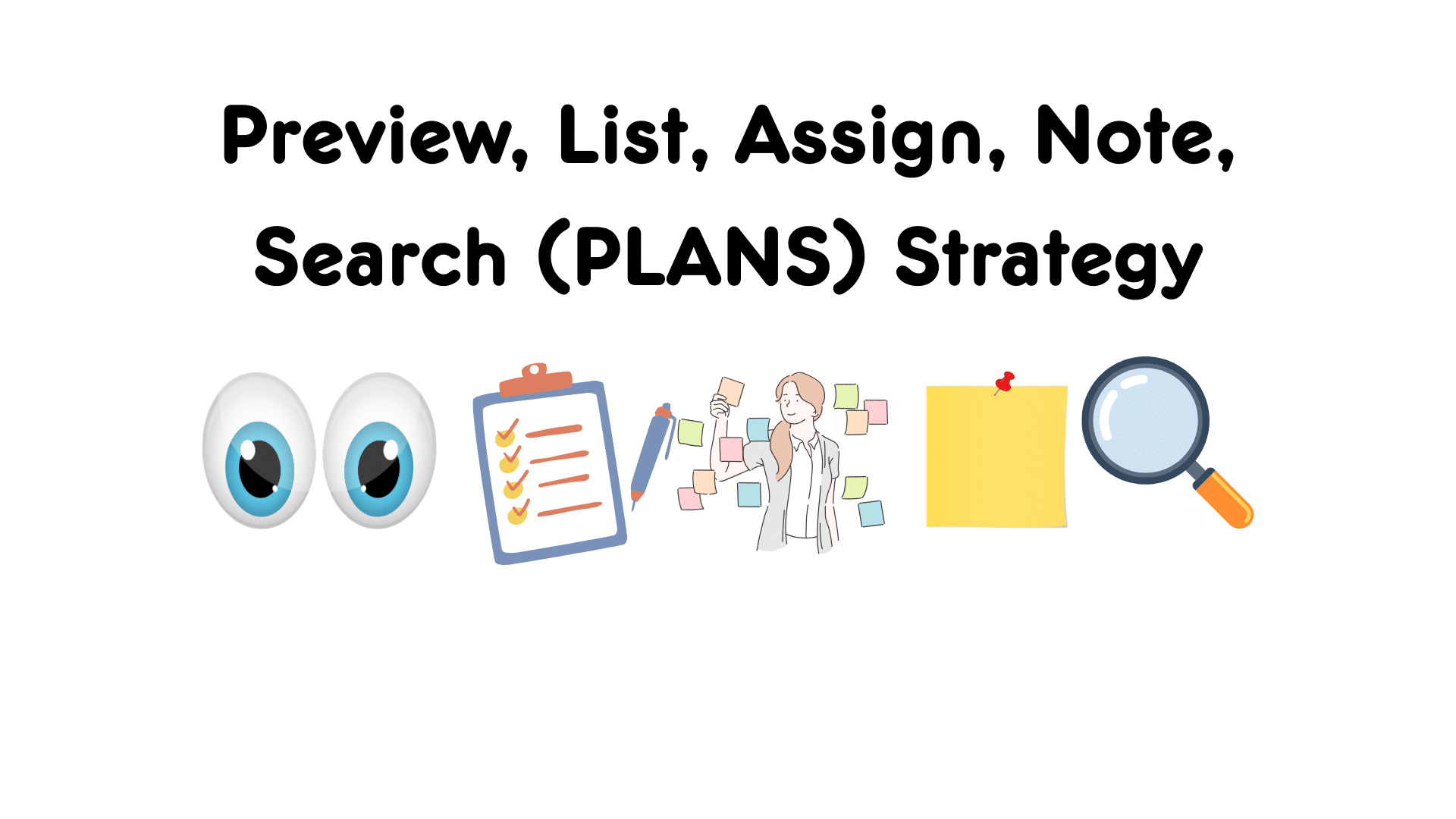
Preview, List, Assign numbers, Note, Search (PLANS) Strategy
PLANS is a step-by-step strategy for informational and expository writing that helps students organize their thinking before drafting by previewing goals, listing main ideas with the FRAME organizer, assigning an order, noting ideas in full sentences, and searching for errors.
Set up, Text Evidence, Analyze, Restate (STAR) Strategy
This strategy helps students in upper elementary and middle school craft focused, evidence-based responses by providing a clear structure to organize their thinking, incorporate relevant text evidence, and analyze how that evidence supports their answer.
The SIM Fundamentals in the Sentence Writing Strategy (PENS, MARK)
Fundamentals in the Sentence Writing lessons teach students essential grammar concepts and terms and a strategy to write and check four types of simple sentences, serving as either a foundational curriculum or a quick refresher to strengthen understanding.
The SIM Paragraph Writing Strategy (SCRIBE, PENS)
With the Paragraph Writing Strategy, students learn to list ideas related to a topic; plan the point of view and verb tense to be used in the paragraph; plan the sequence in which ideas will be expressed; and write a variety of topic, detail, and clincher sentences.
The SIM Proficiency in the Sentence Writing Strategy (PENS)
Proficiency in the Sentence Writing Strategy is appropriate for students who already have a thorough grounding in basic concepts and terms (such as "subject" and "verb"); students will learn advanced sentence writing skills, including writing compound, complex, and compound-complex sentences with th...
Fact, Understanding, Evidence, Link (FUEL) Strategy
FUEL is a writing strategy that supports informational and argumentative writing by guiding students through four components to build clear, organized paragraphs, which include writing a topic sentence, explaining their thinking, supporting with evidence, and creating a logical conclusion.
Hamburger Strategy
The Hamburger Paragraph strategy uses a familiar visual metaphor to help students in grades 2–6 plan and draft writing across genres. By organizing topic sentences, supporting details, and conclusions like layers of a hamburger, it simplifies paragraph structure and encourages deeper content develop...
Pick, List, Evaluate, Activate, Supply, End (PLEASE) Strategy
PLEASE is a planning and drafting strategy designed for informative and expository writing to help students effectively plan and organize a paragraph through clear, step-by-step tasks, including incorporating self-regulation techniques like goal setting.
Preview, List, Assign numbers, Note, Search (PLANS) Strategy
PLANS is a step-by-step strategy for informational and expository writing that helps students organize their thinking before drafting by previewing goals, listing main ideas with the FRAME organizer, assigning an order, noting ideas in full sentences, and searching for errors.
Set up, Text Evidence, Analyze, Restate (STAR) Strategy
This strategy helps students in upper elementary and middle school craft focused, evidence-based responses by providing a clear structure to organize their thinking, incorporate relevant text evidence, and analyze how that evidence supports their answer.
The SIM Fundamentals in the Sentence Writing Strategy (PENS, MARK)
Fundamentals in the Sentence Writing lessons teach students essential grammar concepts and terms and a strategy to write and check four types of simple sentences, serving as either a foundational curriculum or a quick refresher to strengthen understanding.
The SIM Paragraph Writing Strategy (SCRIBE, PENS)
With the Paragraph Writing Strategy, students learn to list ideas related to a topic; plan the point of view and verb tense to be used in the paragraph; plan the sequence in which ideas will be expressed; and write a variety of topic, detail, and clincher sentences.
The SIM Proficiency in the Sentence Writing Strategy (PENS)
Proficiency in the Sentence Writing Strategy is appropriate for students who already have a thorough grounding in basic concepts and terms (such as "subject" and "verb"); students will learn advanced sentence writing skills, including writing compound, complex, and compound-complex sentences with th...
Ignite
Fact, Understanding, Evidence, Link (FUEL) Strategy
FUEL is a writing strategy that supports informational and argumentative writing by guiding students through four components to build clear, organized paragraphs, which include writing a topic sentence, explaining their thinking, supporting with evidence, and creating a logical conclusion.

Pick, List, Evaluate, Activate, Supply, End (PLEASE) Strategy
PLEASE is a planning and drafting strategy designed for informative and expository writing to help students effectively plan and organize a paragraph through clear, step-by-step tasks, including incorporating self-regulation techniques like goal setting.
Set up, Text Evidence, Analyze, Restate (STAR) Strategy
This strategy helps students in upper elementary and middle school craft focused, evidence-based responses by providing a clear structure to organize their thinking, incorporate relevant text evidence, and analyze how that evidence supports their answer.
The SIM Fundamentals in the Sentence Writing Strategy (PENS, MARK)
Fundamentals in the Sentence Writing lessons teach students essential grammar concepts and terms and a strategy to write and check four types of simple sentences, serving as either a foundational curriculum or a quick refresher to strengthen understanding.
The SIM Paragraph Writing Strategy (SCRIBE, PENS)
With the Paragraph Writing Strategy, students learn to list ideas related to a topic; plan the point of view and verb tense to be used in the paragraph; plan the sequence in which ideas will be expressed; and write a variety of topic, detail, and clincher sentences.
The SIM Proficiency in the Sentence Writing Strategy (PENS)
Proficiency in the Sentence Writing Strategy is appropriate for students who already have a thorough grounding in basic concepts and terms (such as "subject" and "verb"); students will learn advanced sentence writing skills, including writing compound, complex, and compound-complex sentences with th...
Fact, Understanding, Evidence, Link (FUEL) Strategy
FUEL is a writing strategy that supports informational and argumentative writing by guiding students through four components to build clear, organized paragraphs, which include writing a topic sentence, explaining their thinking, supporting with evidence, and creating a logical conclusion.
Pick, List, Evaluate, Activate, Supply, End (PLEASE) Strategy
PLEASE is a planning and drafting strategy designed for informative and expository writing to help students effectively plan and organize a paragraph through clear, step-by-step tasks, including incorporating self-regulation techniques like goal setting.
Set up, Text Evidence, Analyze, Restate (STAR) Strategy
This strategy helps students in upper elementary and middle school craft focused, evidence-based responses by providing a clear structure to organize their thinking, incorporate relevant text evidence, and analyze how that evidence supports their answer.
The SIM Fundamentals in the Sentence Writing Strategy (PENS, MARK)
Fundamentals in the Sentence Writing lessons teach students essential grammar concepts and terms and a strategy to write and check four types of simple sentences, serving as either a foundational curriculum or a quick refresher to strengthen understanding.
The SIM Paragraph Writing Strategy (SCRIBE, PENS)
With the Paragraph Writing Strategy, students learn to list ideas related to a topic; plan the point of view and verb tense to be used in the paragraph; plan the sequence in which ideas will be expressed; and write a variety of topic, detail, and clincher sentences.
The SIM Proficiency in the Sentence Writing Strategy (PENS)
Proficiency in the Sentence Writing Strategy is appropriate for students who already have a thorough grounding in basic concepts and terms (such as "subject" and "verb"); students will learn advanced sentence writing skills, including writing compound, complex, and compound-complex sentences with th...
Launch
Coming Soon
Claim, Evidence, Reasoning (CER) Strategy
CER gives students a clear structure for writing persuasive or argumentative explanations by guiding them to make a claim, back it up with evidence, and explain the reasoning that connects the two.
Fact, Understanding, Evidence, Link (FUEL) Strategy
FUEL is a writing strategy that supports informational and argumentative writing by guiding students through four components to build clear, organized paragraphs, which include writing a topic sentence, explaining their thinking, supporting with evidence, and creating a logical conclusion.
Hamburger Strategy
This strategy offers a concrete, visual metaphor for students in Grades 2-6 to plan and evaluate their paragraph structure by mapping the main idea (top bun), supporting details (fillings), and conclusion (bottom bun).
Pick Ideas, Organize, Write and Say More (POW) Strategy
POW is a foundational SRSD planning strategy that helps students brainstorm and organize their ideas before drafting and serves as a simple, versatile starting point for more complex strategies.

Pick, List, Evaluate, Activate, Supply, End (PLEASE) Strategy
PLEASE is a planning and drafting strategy designed for informative and expository writing to help students effectively plan and organize a paragraph through clear, step-by-step tasks, including incorporating self-regulation techniques like goal setting.
Plan, Organize, Write, Edit, Revise (POWER) Strategy
POWER is a structured strategy that helps students in Grades 6-12 approach the writing process in a manageable way by breaking it into five steps that reinforce planning, organization, drafting, editing, and revising.
Preview, List, Assign numbers, Note, Search (PLANS) Strategy
PLANS is a step-by-step strategy for informational and expository writing that helps students organize their thinking before drafting by previewing goals, listing main ideas with the FRAME organizer, assigning an order, noting ideas in full sentences, and searching for errors.
Set up, Text Evidence, Analyze, Restate (STAR) Strategy
This strategy helps students in upper elementary and middle school craft focused, evidence-based responses by providing a clear structure to organize their thinking, incorporate relevant text evidence, and analyze how that evidence supports their answer.
Topic, Important, Detailed, Ending (TIDE) Strategy
TIDE is a practical strategy for planning and writing informative or expository paragraphs by giving students a clear, repeatable framework for organizing their ideas and making their writing structured and easy to follow.
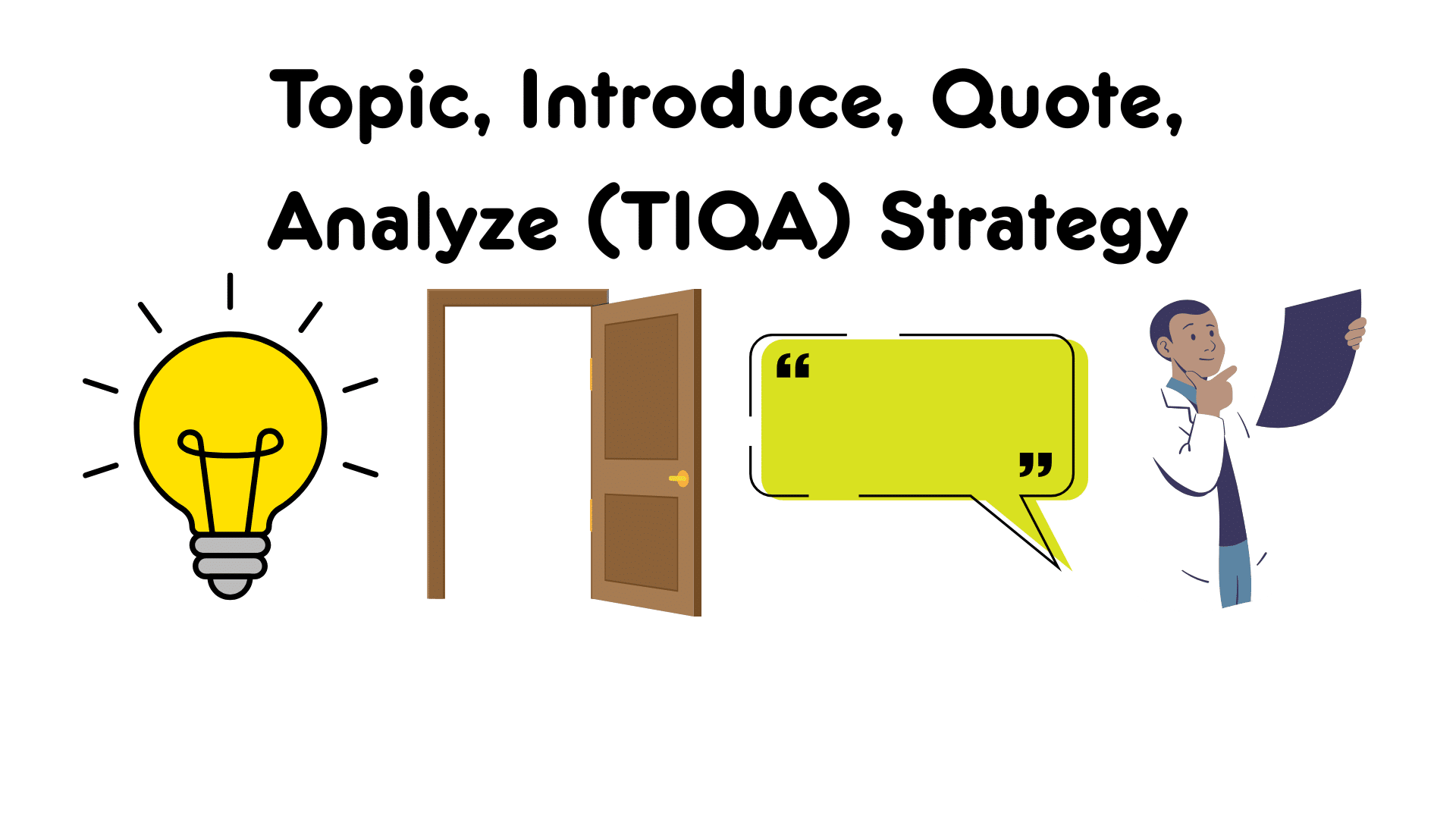
Topic, Introduce, Quote, Analyze (TIQA) Strategy
TIQA is a straightforward strategy for informational writing and literary analysis that guides students through four key components to build strong, focused, text-based paragraphs: Topic sentence, Introduction of evidence, Quotation, and Analysis.
Claim, Evidence, Reasoning (CER) Strategy
CER gives students a clear structure for writing persuasive or argumentative explanations by guiding them to make a claim, back it up with evidence, and explain the reasoning that connects the two.
Fact, Understanding, Evidence, Link (FUEL) Strategy
FUEL is a writing strategy that supports informational and argumentative writing by guiding students through four components to build clear, organized paragraphs, which include writing a topic sentence, explaining their thinking, supporting with evidence, and creating a logical conclusion.
Hamburger Strategy
This strategy offers a concrete, visual metaphor for students in Grades 2-6 to plan and evaluate their paragraph structure by mapping the main idea (top bun), supporting details (fillings), and conclusion (bottom bun).
Pick Ideas, Organize, Write and Say More (POW) Strategy
POW is a foundational SRSD planning strategy that helps students brainstorm and organize their ideas before drafting and serves as a simple, versatile starting point for more complex strategies.
Pick, List, Evaluate, Activate, Supply, End (PLEASE) Strategy
PLEASE is a planning and drafting strategy designed for informative and expository writing to help students effectively plan and organize a paragraph through clear, step-by-step tasks, including incorporating self-regulation techniques like goal setting.
Plan, Organize, Write, Edit, Revise (POWER) Strategy
POWER is a structured strategy that helps students in Grades 6-12 approach the writing process in a manageable way by breaking it into five steps that reinforce planning, organization, drafting, editing, and revising.
Preview, List, Assign numbers, Note, Search (PLANS) Strategy
PLANS is a step-by-step strategy for informational and expository writing that helps students organize their thinking before drafting by previewing goals, listing main ideas with the FRAME organizer, assigning an order, noting ideas in full sentences, and searching for errors.
Set up, Text Evidence, Analyze, Restate (STAR) Strategy
This strategy helps students in upper elementary and middle school craft focused, evidence-based responses by providing a clear structure to organize their thinking, incorporate relevant text evidence, and analyze how that evidence supports their answer.
Topic, Important, Detailed, Ending (TIDE) Strategy
TIDE is a practical strategy for planning and writing informative or expository paragraphs by giving students a clear, repeatable framework for organizing their ideas and making their writing structured and easy to follow.
Topic, Introduce, Quote, Analyze (TIQA) Strategy
TIQA is a straightforward strategy for informational writing and literary analysis that guides students through four key components to build strong, focused, text-based paragraphs: Topic sentence, Introduction of evidence, Quotation, and Analysis.